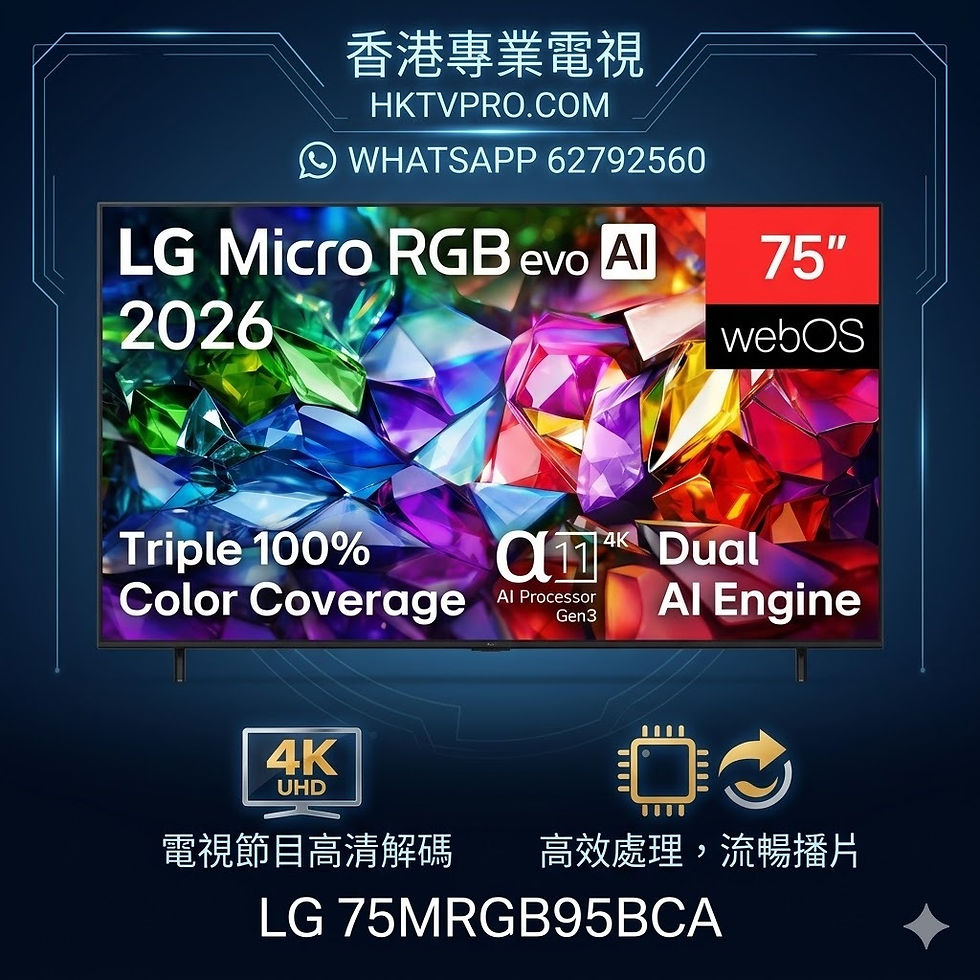
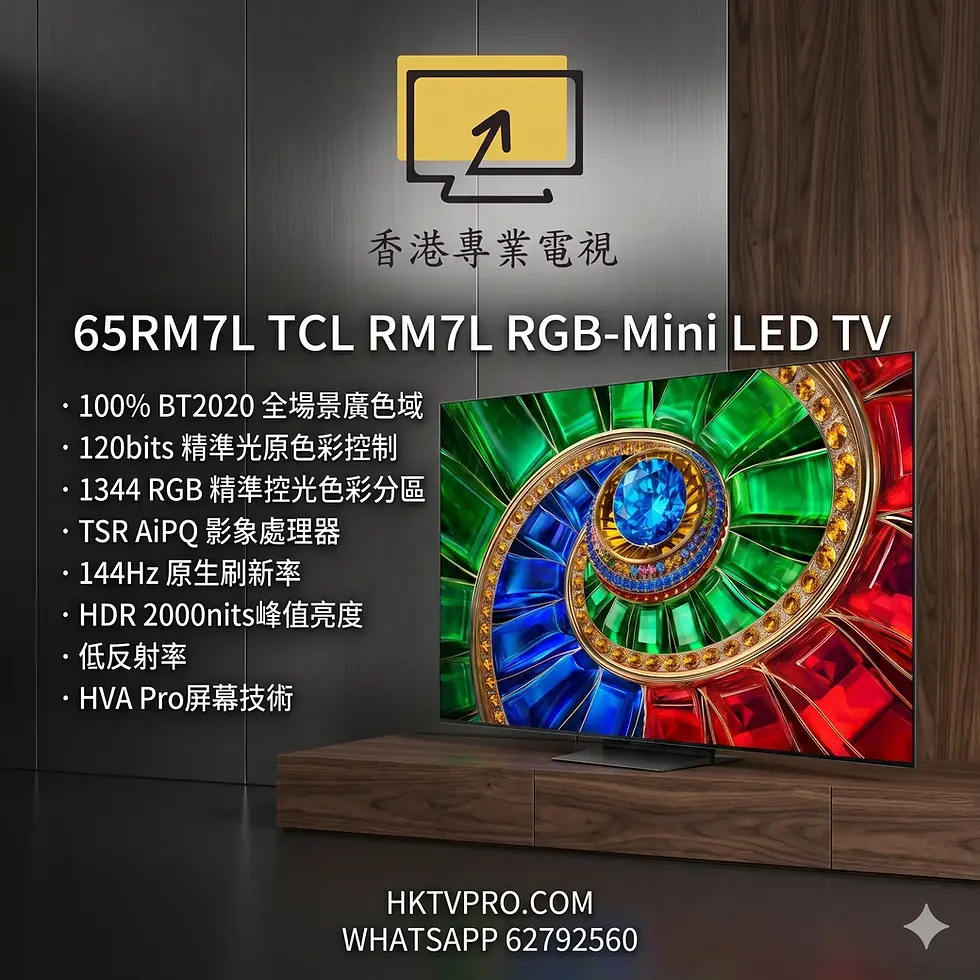
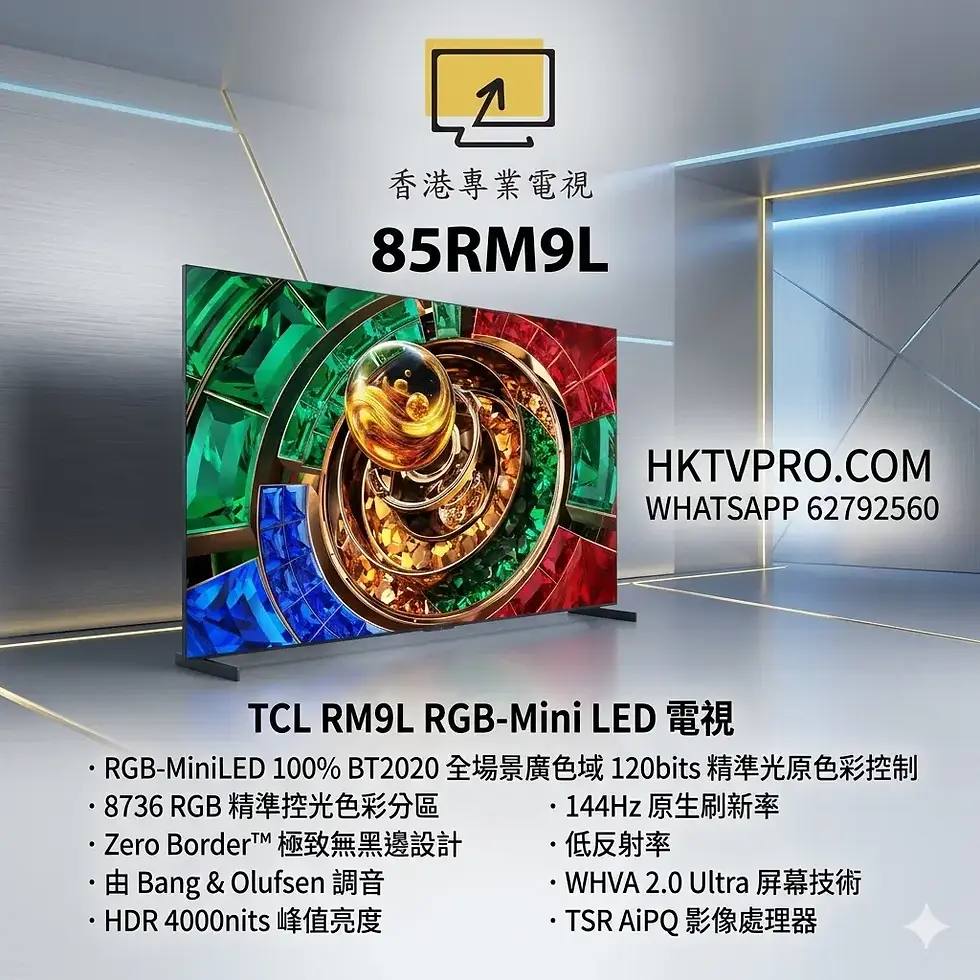
SAMSUNG, LG, TCL, SKYWORTH
various brands of home and commercial smart TVs are
available for immediate delivery and installation.
Brand new smart TV, 3-year on-site service and maintenance
Shop 2A, G/F, Wing Yip Commercial Building, 65-71 Yen Chow Street, Sham Shui Po (parking available)
Professional WhatsApp recommendations, One-on-one personalized service, Free door-to-door inspection
Washing machines, refrigerators, and other electrical appliances are available upon request.
Government P CARD for Commercial Screens, Televisions and Advertising Machines NGO schools offer several installments of payment via checks or television rentals.
RGB Micro vs. Mini LED: A Deep Dive into Two Key Technologies 1. Mini LED: The Current Pinnacle of High-Performance Optics Mini LED doesn't change the fundamental nature of LCD screens; instead, it miniaturizes the LED light-emitting chips behind them (approximately 100 to 200 micrometers in size). Advantages: It can pack tens of thousands of LED chips into the same area, achieving hundreds or even thousands of "local dimming zones." This gives LCD screens near-OLED deep blacks and extremely high peak brightness, without the burn-in risk associated with OLED. Limitations: Because it still uses zoned backlighting, when a zone contains both extremely bright and extremely dark areas, light can easily leak into the darker areas, creating a visible "halo." 2. RGB Micro LED: The Ultimate Display Panel That Overcomes Physical Limitations Micro LED shrinks LED chips to below 100 micrometers (micrometer level) and directly arranges tiny red (R), green (G), and blue (B) LED beads into individual pixels. Advantages: It inherits the advantages of OLED—self-illuminating, requiring no backlight, and producing pure black without emitting light—while overcoming the fatal flaws of OLED—short lifespan and susceptibility to burn-in—due to the use of inorganic materials. Its brightness, color saturation, response speed, and durability are currently the pinnacle of display technology. Limitations: The current production bottleneck lies in the "mass transfer" process. Perfectly soldering millions of micron-sized chips onto a panel with zero defects is extremely difficult and costly, thus preventing its widespread adoption in the mass consumer market. Summary: If you're looking for a top-tier experience that's readily available, boasts high brightness, high dynamic range, and a reasonable price, Mini LED is the best choice; while RGB Micro LED represents a dream technology of the future, which, once widespread, will completely revolutionize the visual experience.